india dispatch #4
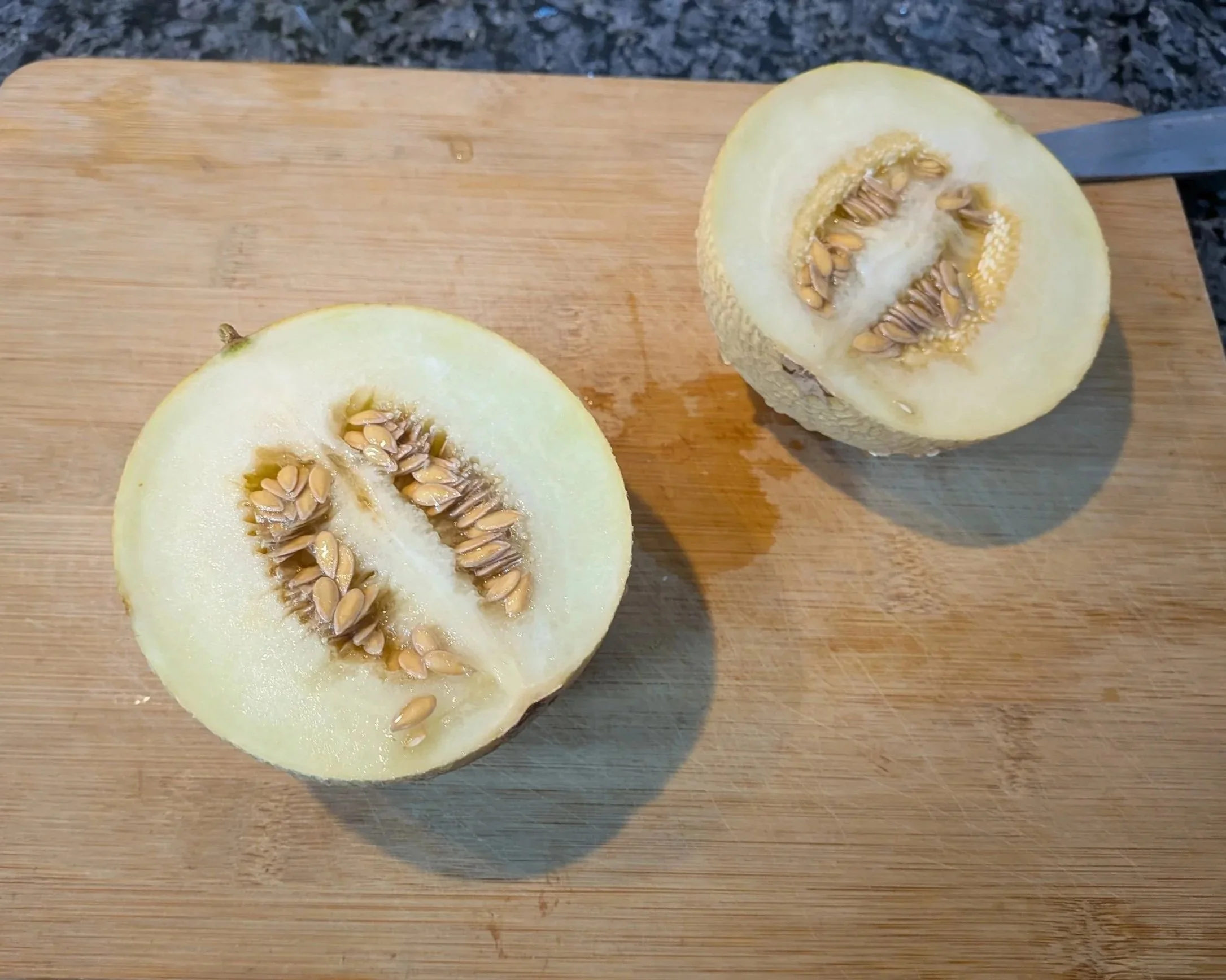
I can’t believe I’ve already been here for a month. The daily routine is becoming familiar now. The doorbell rings at least ten times in the morning. The milk man, the trash man, the ironing person, the maids, the water. Sometimes a neighbor or two, before they head off to work. There’s always fruit at breakfast - cantaloupe, grapes, watermelon - and either Mausi makes something (dhokla, poha, chile) or we make toast (with an egg on top for me). Then a shower and the day’s activities begin.
I’m not used to so much interaction at home. In New York, my doorbell might not even ring once in a day. At first, everyone was confused to see a new face at the door. I think everyone has gotten used to me now - “the Amreekan”. I’ve gotten to know the maids, Anita and Asha, a bit and they’ll talk to me as well as Mausi. My status as ‘old’ and unmarried always surprises everyone, but when people ask about it - especially other women - it’s with less judgement and more curiosity.
I’ve been slowly checking items off my India list. I began Bharat Natyam classes this week with a teacher in the neighborhood. I used to do this style of dance when I was in school, but didn’t really keep it up after I went to college. It’s been a tough but fun refresher. My teacher has been patient with my shallow aramundi and how often I need to pause. She uses the breaks to teach me theory and structure, something I didn’t learn as much about when I was younger. Now I have the mental space to absorb it, and it’s fascinating. I’m hopeful I can build up some stamina in the next few months. I still have muscle memory for the movements, which was a nice surprise.
I’ve also been learning to put on a sari efficiently. Someone Mausi knows came to show me how to do it well, but I’m still struggling to pleat quickly and cleanly, and it seems everyone has a different way of going about it. I was shown three different ways to pleat that first day, and now I’m more confused than anything else. My first attempt was also with a chiffon sari, the slipperiest of them all. The second attempt was a bit more successful, but I’ll need to keep practicing if I want to be able to tie it myself in five minutes. My Instagram is now flooded with videos on how to style saris, but I can only attempt those once I can make my pleats.
No visit to Delhi is complete without going to Chandni Chowk, one of the oldest markets in Old Delhi. We go almost every time we come, for some reason or another. Mausaji is always up to give his ‘Dilli Darshan’ tour: a visit to the Jain mandir, the Hindu mandir, the gurudwara, and the mosque. But this time, I came specifically to eat. Usually, we don’t have much street food when we visit; a 10 day trip can be ruined by a stomach bug. Anything fully cooked or deep fried is usually fine, but it’s best to avoid anything raw or with water in it, like chutney. However, I’m here for a lot longer than two weeks now, and I figured I could afford to lose a couple days in service of eating street food.
A friend of a friend, a self-described expert in Chandni Chowk’s food, was our guide. We walked the market end to end and back again in an afternoon, with many, many stops. There was the samosa and jalebi stall I remembered from prior visits, which has the best matar samosas. Jalebi should only ever be eaten freshly fried, so we had a few of those too. We stopped for papri chaat topped with kachaloo (taro root - new word for me) and kachori chaat. There were more samosas, this time masala aloo. We took a detour down Parathe Wali Gali, supposedly just to look, but of course ended up eating mooli and gobi parathas, which came with a few sabzis and pickles. The kaddu ki sabzi was particularly good, and the parathas were delicious (and fried in ghee, we saw as we left). We had some mithai across the street, some kind of creamy milk cake. I tried kanji bhalle for the first time, bhalle floating in spiced water. We stopped for lime sodas, a bit of hydration. At the other end of the street was Gole Hatti, where we got a clay pot of rice mixed with chole and palak and even paneer, I think. This was also really good. Then there was karachi halwa, new mithai for me. It was good we walked everywhere; I don’t think I could have eaten this much otherwise. We wrapped up the evening at Kuremal’s with jamun sorbet and frozen kulfi, both so nice and refreshing after walking around in the sun. And the cherry on top is that I was perfectly fine the next morning.
Of course, there are so many things I never thought to put on my list. I mentioned to my cousin one night that I was craving pakoras. I couldn’t remember the last time I’d had a vegetable pakora. The next day, it rained off and on and was so wonderfully cool. Mausi suggested we make pakoras, because pakoras are supposed to be eaten when it rains. I had never heard this saying before. She made up the batter and we had onion, aloo, paneer and mirchi pakoras, scattered with some chaat masala and dipped in chutney and ketchup, for dinner. We took a walk around the society afterwards and it was breezy enough that I had a hoodie on. I slept with the door open to the balcony that night to stay cool.
P.S. India is 9.5 hours ahead of New York (10.5 when we’re in Standard time), and it’s always baffled me that there’s a half hour included in that difference. Mausaji and I finally looked it up to find out why (spoiler: the British). There’s only a handful of countries in the world that are on the half hour. Though India technically spans three time zones, the same time is observed throughout the country.
Amreekan: American
Bharat Natyam: Indian classical dance form
mandir: temple
gurudwara: Sikh temple
mooli: radish
gobi: cauliflower
kaddu: pumpkin
sabzi: vegetable
mirchi: hot pepper